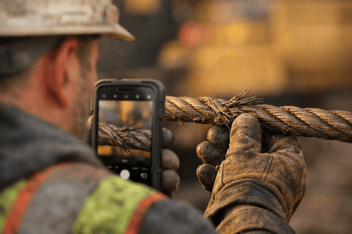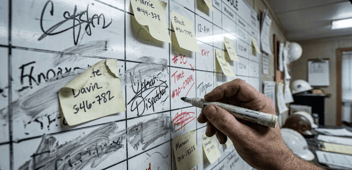
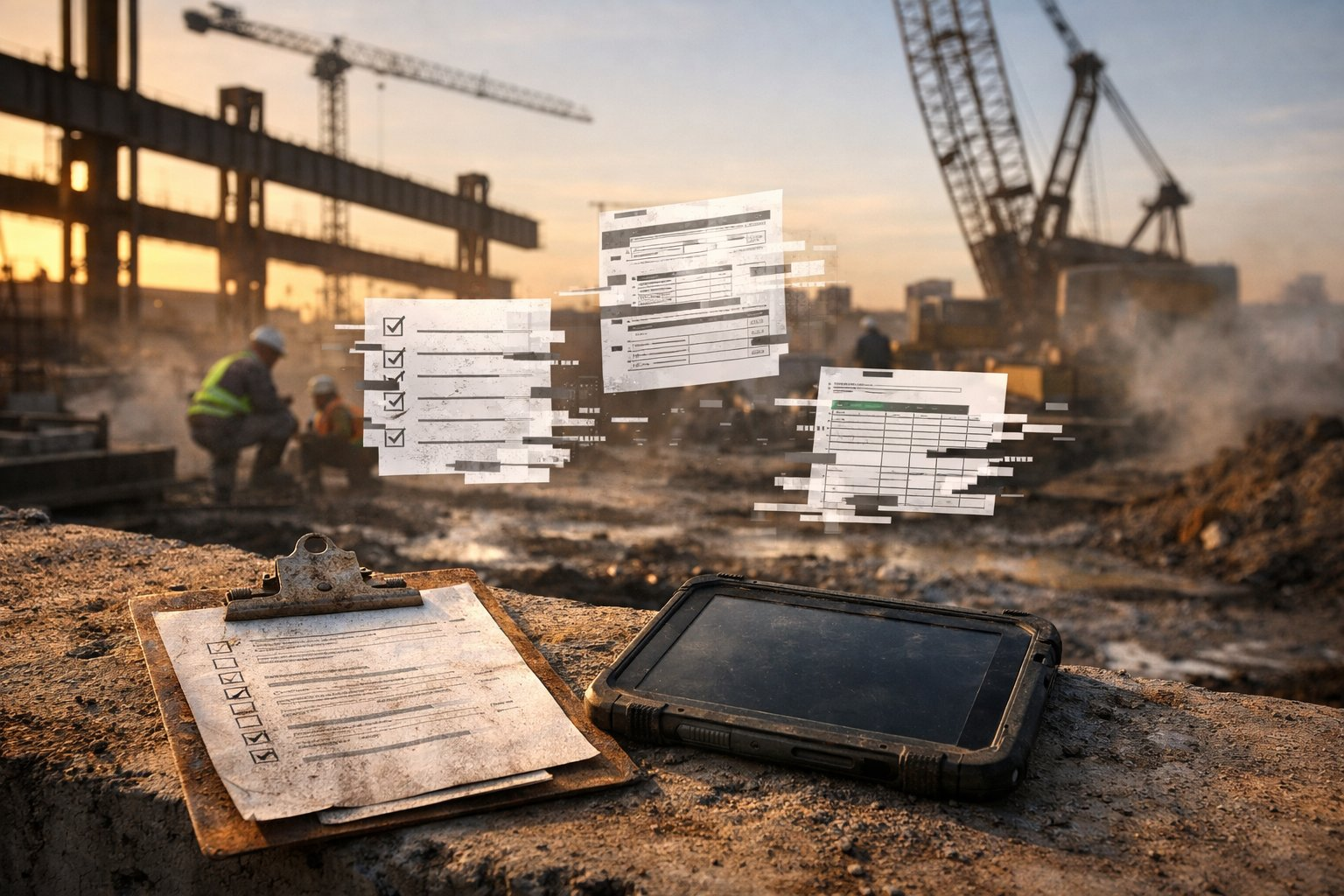
For years, the construction industry has been told that digitizing paperwork is the answer to safety, compliance, and risk management. Paper forms became PDFs. Clipboards turned into mobile apps. Filing cabinets moved to the cloud.
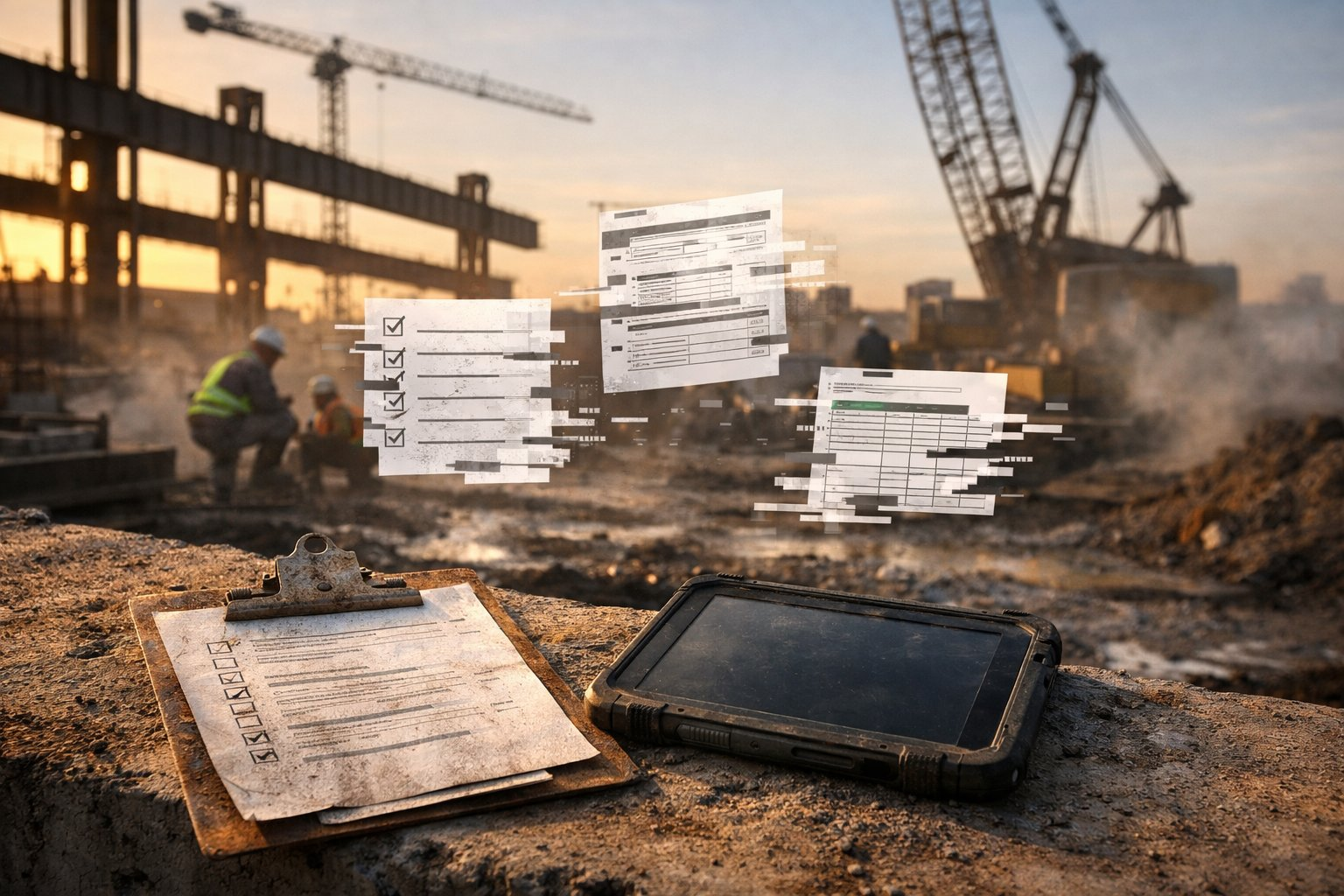
And yet, incidents still happen. Audits still create panic. Lawsuits still uncover gaps no one knew existed.
When paper logs still expose companies to risk, it becomes clear that format alone is not the problem. Digitizing broken processes only hides the cracks, it does not fix them.
That’s because digitizing paperwork does not create intelligence. It simply creates digital storage. And when construction safety data is treated like something to be filed away instead of something to be understood, risk doesn’t go away, it just becomes harder to see.
The Industry Mistake: Confusing Digitization With Intelligence
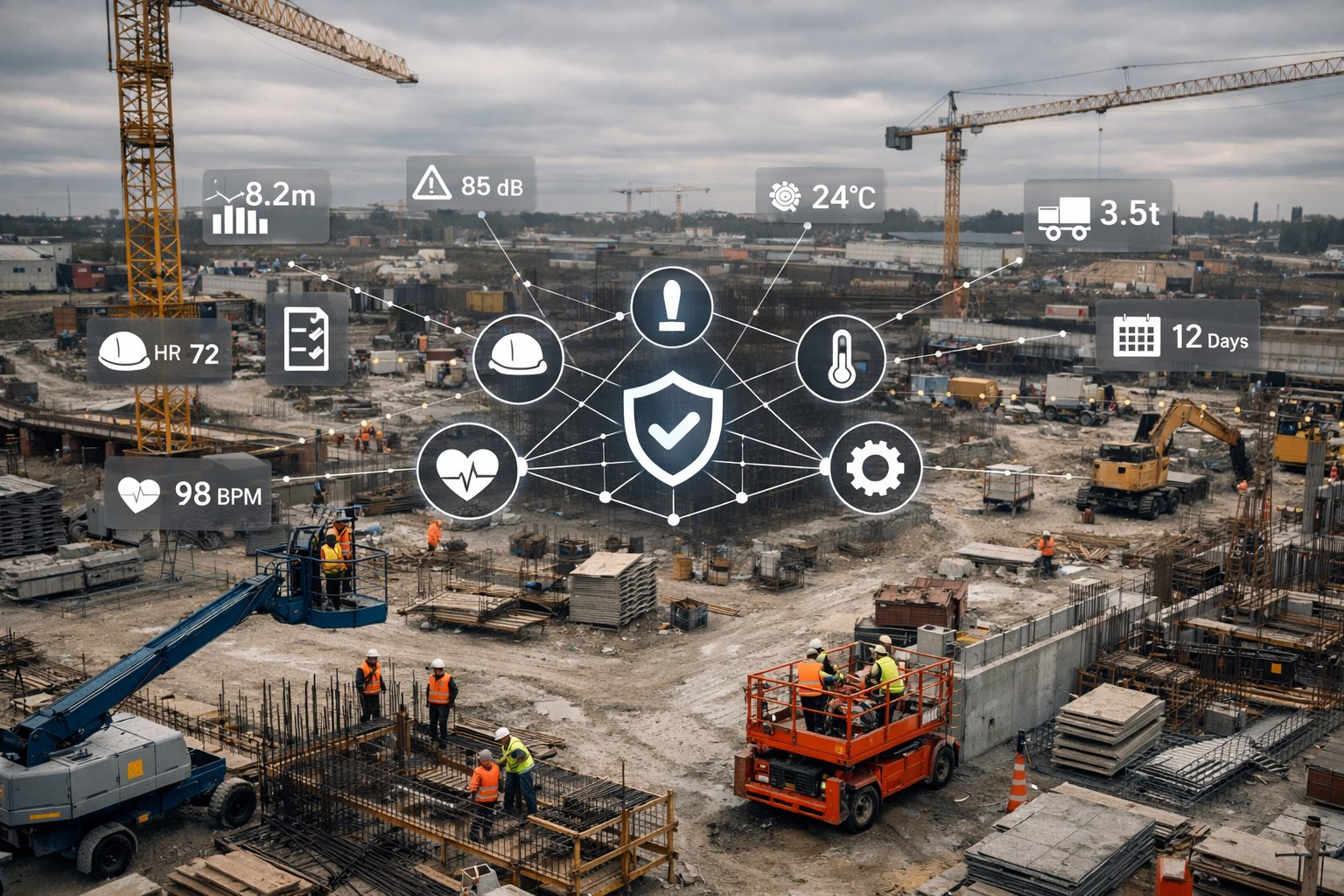
Most construction firms today believe they are “digital.” Inspections are completed on tablets. Incident reports are uploaded to shared drives. Training records live in portals. Maintenance logs sit in spreadsheets.
But all of that information exists in isolation.
This is the digital file cabinet problem. Construction safety data is technically stored, but it is not connected. It does not tell a story. It does not reveal patterns. It does not warn leaders when risk is forming across people, equipment, and job conditions.
The result is fragmented safety systems that force teams to jump between tools just to understand what’s happening. Data may exist, but insight does not.
Digitization answers one question: where is the document?
Intelligence answers a different one: what does this data mean right now?
Without that second answer, safety teams remain reactive, even when the paperwork looks modern.
Why Stored Construction Safety Data Fails Under Real-World Pressure
On a calm day, static safety records may seem sufficient. But construction sites are not calm environments.
Deadlines compress. Weather changes. Crews rotate. Equipment moves between sites. Under pressure, disconnected construction safety data starts to fail.
An inspection completed last week may not reflect today’s conditions. A certified operator may now be fatigued or reassigned. A piece of equipment may carry a pattern of issues that no one sees until something goes wrong.
This is how static tools become liabilities. When information cannot update, adapt, or connect in real time, blind spots form. Safety data behaves the same way operational tools do when they freeze risk in place instead of reflecting reality.
When an incident occurs, the weakness becomes unavoidable. Investigators, regulators, and attorneys don’t care that a form exists somewhere. They care whether decisions were informed, timely, and defensible.
If construction safety data cannot prove context and awareness, it offers very little protection.
What Operational Intelligence Actually Means for Construction Safety
Operational intelligence is not a dashboard full of charts. It is not a monthly report. And it is not another system safety teams must manually manage.
Operational intelligence means construction safety data is alive. It reflects what is happening now and what is likely to happen next.
Instead of isolated records, intelligence creates connected safety data that links people to certifications, equipment to inspection history, and job sites to real-world conditions like heat, weather, and task complexity.
When construction safety data is connected this way, risk becomes visible before it becomes an incident.
That is the difference between documenting compliance and preventing harm.
From Forms to Foresight: Turning Construction Safety Data Into Signals

Raw data does not prevent accidents. Signals do.
A completed inspection form only confirms that something was checked. Connected construction safety data reveals patterns across time, sites, and assets. It shows where issues repeat, where conditions align with incidents, and where intervention is needed.
This is how organizations move toward proactive safety strategies. Instead of responding after something happens, teams act when risk begins to form.
When inspections, incidents, certifications, and site conditions are linked, safety teams stop chasing paperwork and start focusing on prevention. Attention shifts from compliance to control.
Why Most Safety Platforms Stop Too Early
Many safety platforms promise digitization. Few deliver intelligence.
Digital forms, mobile checklists, and cloud storage address surface-level issues, but they stop short of supporting real decision-making. Safety leaders still struggle to answer basic questions about exposure, patterns, and emerging risk.
When digitizing paperwork alone isn’t enough, safety data behaves like a filing system, not a safety tool.
Construction safety data trapped in silos forces teams to export spreadsheets, reconcile systems manually, and rely on instinct when decisions carry real consequences. The technology may look modern, but the process remains reactive.
How SafetyVue Moves Beyond Digital Storage
SafetyVue was built to solve the data problem at the root of construction safety.
Instead of treating construction safety data as documents to store, the platform connects inspections, assets, operators, certifications, and jobsite conditions into a single source of operational truth.
This eliminates blind spots created by fragmented safety systems and replaces them with real-time visibility. As more data flows in, patterns emerge. Risk becomes easier to see. Decisions become easier to defend.
The goal is not more data. It is better understanding.
The Real Payoff: Fewer Incidents, Stronger Defense, Smarter Decisions
When construction safety data becomes intelligence, the benefits extend far beyond compliance.
Organizations reduce incidents because risk is identified earlier. Leadership gains confidence through visibility. Legal exposure decreases because actions are backed by objective, connected records.
This is how companies move from reacting to problems to reducing incidents through predictive insight.
Most importantly, safety teams regain time and focus. Instead of managing forms, they manage risk. Instead of responding to incidents, they work to prevent them.
Stop Storing the Past. Start Seeing What’s Next.
Digitizing paperwork was a necessary step, but it was never the finish line.
Construction safety data only creates value when it is connected, contextual, and actionable. Until then, it remains a digital file cabinet full of answers that arrive too late.
SafetyVue helps construction firms turn safety data into operational intelligence, so risks are seen early and workers get home safely.
Ready to move beyond digital file cabinets?

Book a 15-minute strategy session to see how SafetyVue turns construction safety data into operational intelligence that helps prevent incidents before they happen.