
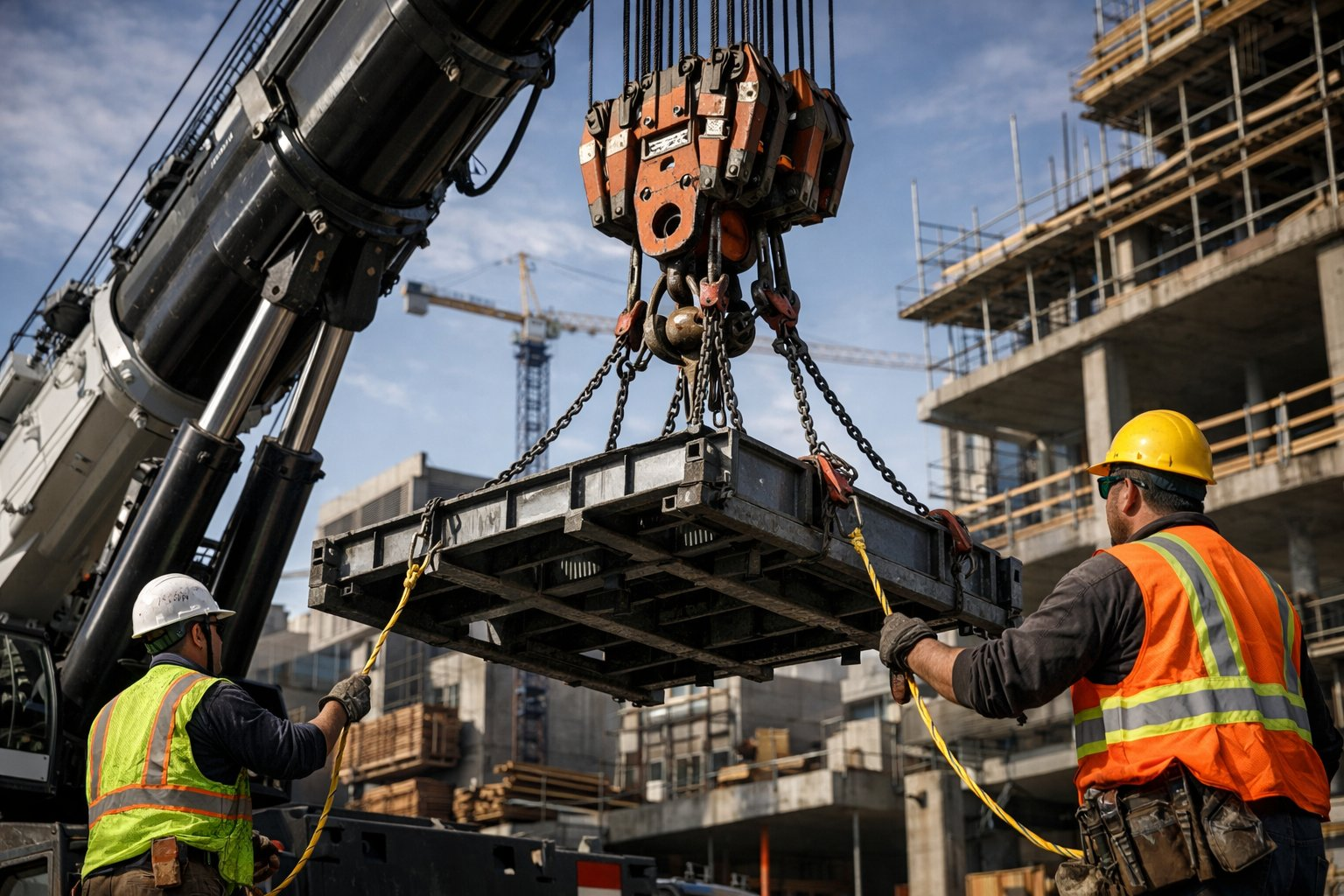
Crane and rigging companies operate in one of the highest-risk environments in construction. Heavy loads, complex lifts, public exposure, and strict certification requirements leave little room for error. Yet many firms are still relying on fragmented safety systems to manage inspections, certifications, incidents, and equipment history.
On the surface, these systems appear functional. Inspections are completed. Certifications are tracked. Incident reports are filed. But when safety data lives in disconnected tools, binders, spreadsheets, and standalone apps, the real cost stays hidden until EMR spikes, insurance premiums rise, or a bid is quietly denied.
Fragmented safety systems do not fail loudly. They fail slowly, financially, and at the worst possible moment.
What Fragmented Safety Systems Look Like in Crane and Rigging Operations
-1.jpg?width=1920&height=1080&name=Blogpic_1920x1080_crop_2.3MB%20(1)-1.jpg)
In crane and rigging operations, fragmented safety systems usually develop over time. A company adds tools as problems arise instead of building a connected foundation.
Common examples include:
- Crane inspections completed on paper or PDFs that are never tied to dispatch decisions
- Operator and rigger certifications tracked in spreadsheets or HR systems with no link to job assignments
- Incident and near-miss reports stored separately from asset maintenance records
- Maintenance logs that never connect back to incidents involving the same crane
Each system works on its own. The problem is that none of them talk to each other. When safety data is fragmented, leadership loses visibility into patterns, repeat risks, and early warning signs that could prevent incidents.
This is where fragmented safety systems become a liability rather than an administrative inconvenience.
How Fragmented Safety Systems Drive Higher EMR
Experience Modification Rate is not just a safety metric. It is a financial multiplier. EMR influences insurance premiums, bid eligibility, and how risk managers view your organization.
Fragmented safety systems contribute to higher EMR in several ways:
- Near-misses are underreported or lost entirely
- Corrective actions are documented but never tracked to completion
- Repeat incidents occur because historical context is missing
- Equipment-related incidents are not connected to inspection or maintenance history
When an incident happens, fragmented safety systems cannot tell the full story. There is no clear chain of evidence showing proactive hazard identification, enforcement, and follow-through. Over time, this lack of defensible data shows up as higher claim frequency and severity.
Higher EMR is rarely caused by a single catastrophic failure. It is the cumulative result of fragmented safety systems failing to surface risk early.
The Insurance Cost of Fragmented Safety Systems
Insurance carriers evaluate crane and rigging firms based on consistency, documentation, and control. They look for proof that safety processes are enforced, not just written.
Fragmented safety systems make that proof difficult to provide.
When safety data is spread across multiple tools:
- Audits take longer and expose gaps
- Documentation appears inconsistent or incomplete
- Historical context around incidents is hard to reconstruct
- Risk appears unmanaged even when effort exists
As a result, insurance carriers respond with higher premiums, higher deductibles, and narrower coverage. Some firms only realize the impact of fragmented safety systems when renewal quotes arrive with double-digit increases and limited negotiation options.
Insurance does not price effort. It prices risk visibility.
Lost Bids and Missed Opportunities
Many crane and rigging firms assume lost bids come down to price. In reality, safety qualification is often the first filter.
General contractors and project owners increasingly require:
- EMR below strict thresholds
- Verifiable inspection and maintenance records
- Proof of operator and rigger certification compliance
- Clear incident history and corrective action tracking
Fragmented safety systems make it difficult to pass prequalification reviews quickly and confidently. Missing documentation or delayed responses signal risk to owners, even if the underlying work is solid.
In competitive markets, fragmented safety systems quietly remove firms from bid lists before pricing is ever considered.
Why Crane and Rigging Firms Feel This Pain More Than Most
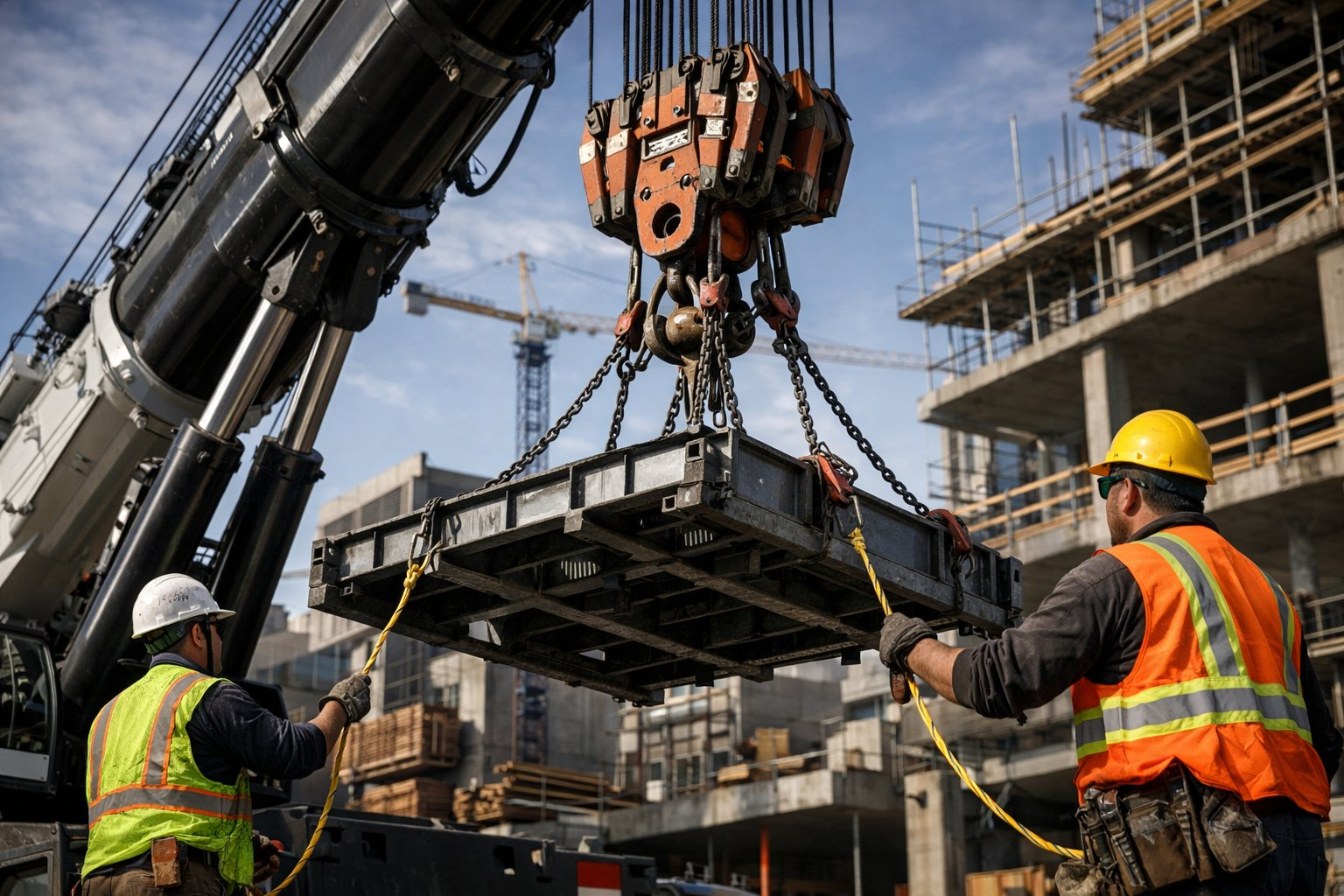
Crane and rigging operations amplify the impact of fragmented safety systems because of the stakes involved.
A single crane incident can involve:
- Multiple subcontractors
- Public infrastructure
- High-dollar equipment
- Severe injury or fatality risk
The regulatory environment is also more demanding. Certifications expire. Inspections have strict intervals. Dispatch decisions carry legal consequences.
In this environment, fragmented safety systems increase exposure with every lift. When data is not connected, leadership cannot see whether the right crane, the right crew, and the right certifications are aligned in real time.
Moving Beyond Fragmented Safety Systems
The solution is not more software. It is better connection.
Eliminating fragmented safety systems requires a shift from recording past events to creating connected safety intelligence. This means linking inspections, incidents, certifications, maintenance, and dispatch into a single operational view.
When safety data is connected:
- Patterns emerge before incidents occur
- Equipment history informs dispatch decisions
- Certification compliance is enforced automatically
- Incident context is preserved for audits and claims defense
This is where SafetyVue operates as an intelligence layer. It does not replace existing accounting, HR, or maintenance systems. It connects them, turning fragmented safety systems into a unified source of truth.
What Changes When Safety Data Is Connected

Firms that move away from fragmented safety systems see measurable outcomes:
- Lower EMR over time through proactive risk identification
- Stronger insurance positioning backed by defensible data
- Faster, cleaner audits with fewer findings
- Increased bid eligibility and owner confidence
Most importantly, connected safety data allows crane and rigging firms to control risk instead of reacting to it after the fact.
The Real Cost of Doing Nothing
Fragmented safety systems are not neutral. They actively work against growth, profitability, and long-term survival.
They raise EMR quietly. They increase insurance costs steadily. They disqualify bids silently. And they leave leadership exposed when incidents occur.
In crane and rigging operations, safety is already high stakes. The data supporting it should not be fragmented.
The firms that win the next decade will be the ones that connect their safety data, prove control, and turn safety into a competitive advantage rather than a hidden cost.
Download the Connected Intelligence Playbook
Still managing dispatch, certs, and inspections in separate systems? Stop connecting paperwork. Start connecting intelligence.
Get the playbook built for crane, rigging, and steel firms and see how to turn fragmented data into operational control.