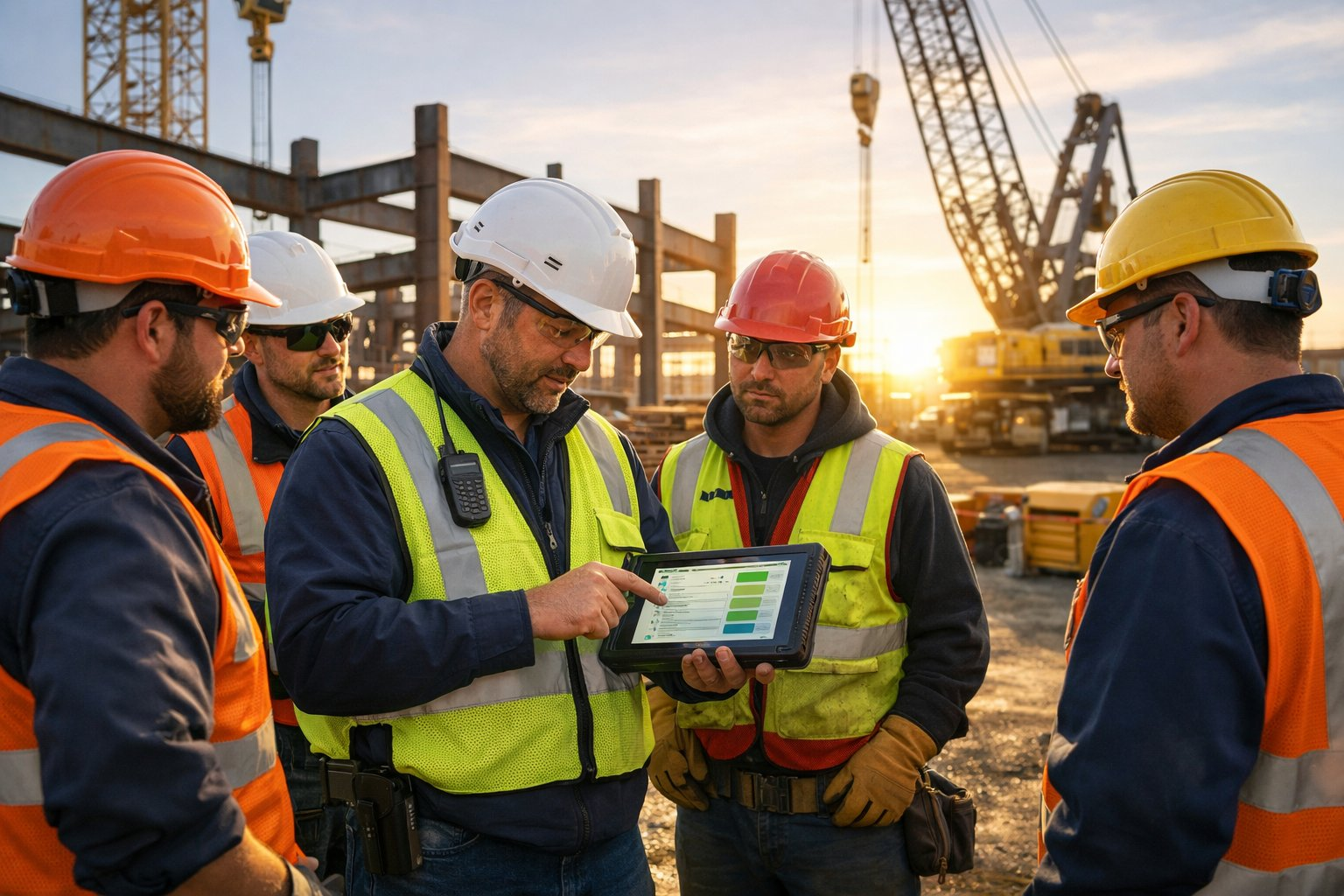
For years, injury logs lived in binders on safety managers’ desks. They were required paperwork, but rarely seen outside audits or inspections.
That’s changing.
With the expansion of OSHA electronic injury reporting through the Injury Tracking Application (ITA), workplace injury data is now submitted digitally and increasingly analyzed across industries. What used to be internal documentation is becoming structured safety data.
For crane, rigging, and steel companies, this shift means one thing: your safety records must be accurate, connected, and defensible.
Many firms are discovering their safety data is scattered across paper logs, spreadsheets, inspection forms, and training systems. When the time comes to compile injury reports for OSHA ITA submission, records that are disconnected create risk.
This is where platforms like SafetyVue help companies move from fragmented safety reporting to connected operational intelligence.
What Is OSHA Electronic Injury Reporting?

OSHA electronic injury reporting requires certain employers to submit workplace injury and illness data through the OSHA Injury Tracking Application (ITA).
The ITA collects information from standard OSHA recordkeeping forms, including:
- OSHA Form 300 – Log of work-related injuries and illnesses
- OSHA Form 300A – Annual summary of injuries and illnesses
- OSHA Form 301 – Detailed incident reports
Instead of keeping these records only on-site, companies submit them electronically through OSHA’s reporting system.
The goal is to give regulators better visibility into workplace safety trends and help identify industries with higher injury rates.
For construction companies, this means safety reporting is becoming more structured and more visible than ever before.
Why OSHA ITA Matters for Construction Companies
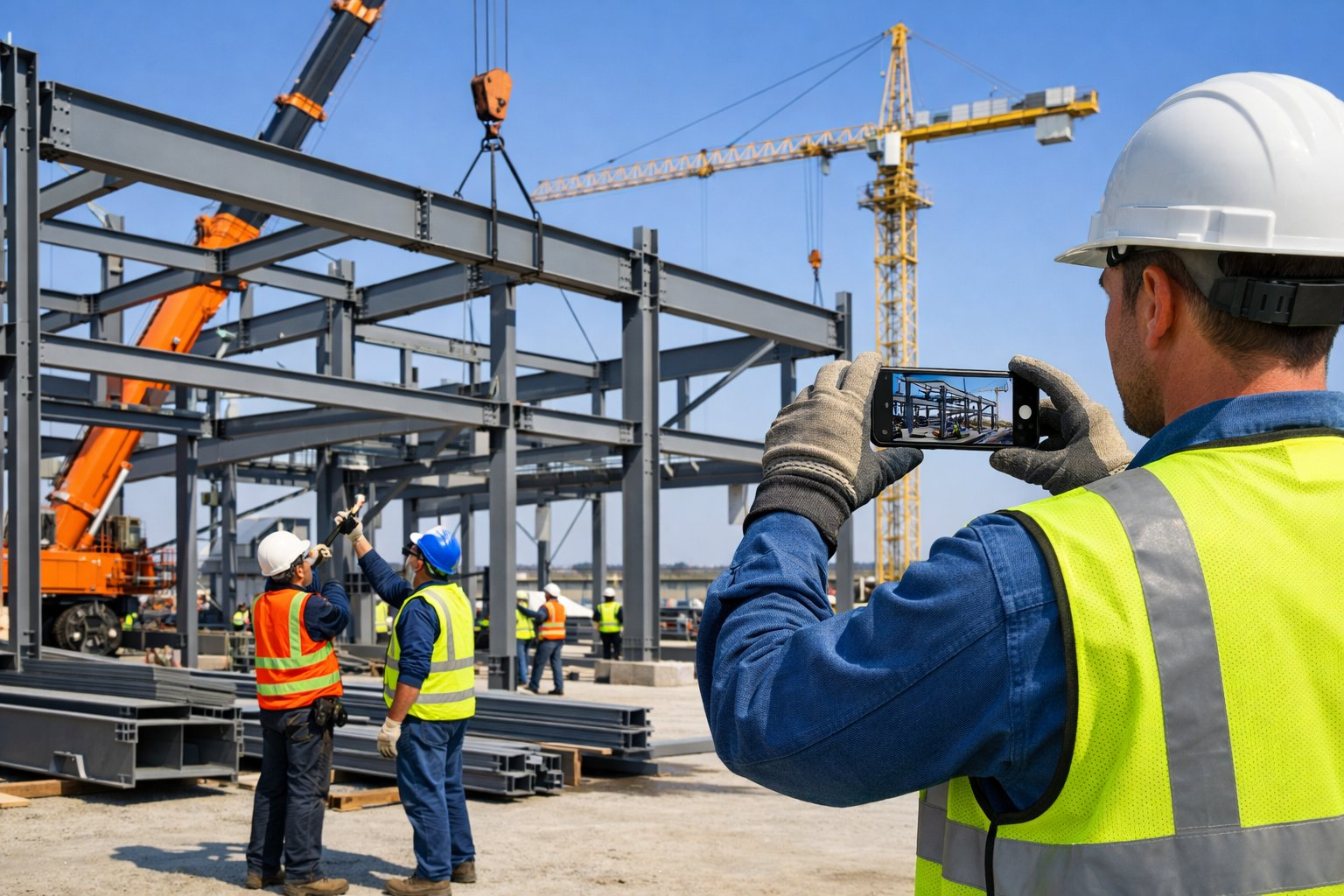
Construction is already one of the most regulated industries in the country. Safety programs must balance operational pressure with compliance requirements.
OSHA electronic injury reporting adds another layer to that responsibility.
The biggest challenge is not the reporting requirement itself. The real challenge is having accurate data when reporting time arrives.
Many companies still track safety information across multiple disconnected systems, including:
- paper inspection logs
- training spreadsheets
- certification tracking binders
- equipment maintenance records
- incident forms completed after the fact
When injury reporting relies on scattered documentation, compiling OSHA ITA submissions becomes time-consuming and error-prone.
Small gaps in documentation can create larger problems when regulators review the data.
The Real Problem: Disconnected Safety Data
Safety managers know the reality of construction safety administration.
Information lives everywhere.
One system tracks operator certifications. Another tracks inspections. Maintenance logs sit in a different system. Incident reports are sometimes written days later.
When an OSHA reportable injury occurs, safety teams must pull information from all these sources to understand what happened.
Without connected safety data, companies face several challenges:
- delayed incident reporting
- incomplete documentation
- inconsistent recordkeeping
- missing inspection history
- difficulty verifying compliance during audits
These issues do not just create administrative headaches. They increase regulatory risk.
The more fragmented your safety data is, the harder it becomes to confidently submit OSHA electronic injury reporting data.
Why Safety Reporting Needs Connected Intelligence
Modern safety programs are moving away from isolated forms and toward connected safety intelligence.
Instead of treating inspections, certifications, incidents, and equipment records as separate activities, leading companies are linking them together.
SafetyVue was built around this concept.
The platform connects safety data across the operation, creating a unified system where inspections, asset history, personnel records, and incident reports work together. This allows companies to move beyond simply recording incidents to identifying risk patterns before they happen.
SafetyVue The Unified Brand Str…
When safety information is connected, leaders gain a clearer picture of operational risk.
And when OSHA reporting deadlines arrive, the required information is already structured and accessible.
How SafetyVue Helps Companies Prepare for OSHA Electronic Injury Reporting
Preparing OSHA ITA submissions should not require digging through file cabinets or reconciling multiple spreadsheets.
SafetyVue simplifies this process by digitizing safety documentation and connecting it across the operation.
Digital Field Documentation
SafetyVue captures safety activity directly from the jobsite with:
- photo documentation
- GPS timestamps
- digital signatures
- structured inspection records
This creates verifiable documentation that supports incident reporting.
Connected Worker and Equipment Records
The platform links safety activity to:
- worker certifications
- equipment inspection history
- jobsite safety checks
- incident reports
This creates a complete safety record for every asset and worker involved in an incident.
Audit-Ready Safety Data
When OSHA electronic injury reporting requires data submission, companies using connected safety systems can quickly verify:
- when inspections occurred
- who was involved
- what equipment was used
- what safety conditions existed at the time
This documentation strengthens compliance and helps companies demonstrate due diligence.
Preparing for the Future of Safety Reporting
OSHA electronic injury reporting is part of a broader shift toward data-driven safety oversight.
Construction companies that treat safety documentation as an afterthought will struggle to keep up with increasing reporting expectations.
But companies that build connected safety systems gain several advantages:
- faster incident reporting
- stronger documentation
- clearer operational insight
- easier OSHA ITA submissions
Safety leaders already understand that prevention starts with visibility.
When safety data is connected, risks become easier to identify and manage before they turn into incidents.
Prepare Your Safety Data Before OSHA Asks for It
OSHA electronic injury reporting is changing how safety performance is documented and analyzed across the construction industry.
What used to be paperwork stored in a binder is now structured data submitted digitally through the OSHA Injury Tracking Application.
For crane, rigging, and steel companies, this means safety data must be accurate, organized, and connected.
Platforms like SafetyVue help companies meet that challenge by linking safety documentation across workers, equipment, and job sites. When safety data is connected, companies gain the visibility they need to prevent incidents, strengthen documentation, and simplify OSHA reporting.
Because when OSHA asks for your injury data, the real question is not just whether you recorded the incident.
It’s whether your safety data tells the full story.
Want to see how connected safety data works in practice?
Download the Connected Intelligence Playbook for Crane, Rigging, and Steel Firms to learn how leading companies are turning safety data into operational insight, reducing risk, and preparing for the future of safety reporting.