

Construction projects are larger, more complex, and spread across more locations than ever before. At the same time, safety consultants are expected to support more clients without increasing overhead or spending countless hours driving between jobsites.
That challenge has made remote visual assistance one of the fastest-growing technologies in construction safety.
Unlike a standard video call, remote visual assistance allows a safety consultant to see exactly what a worker sees through wearable technology, provide live guidance, document findings, and complete inspections without always being physically present.
Rather than replacing field visits altogether, remote visual assistance gives consultants another tool that helps them respond faster, cover more projects, and focus travel where it delivers the greatest value.
Why Traditional Site Visits Don't Scale
For many third-party consultants, a typical day might include:
- Driving several hours to inspect a single jobsite
- Waiting for site personnel to become available
- Completing inspections
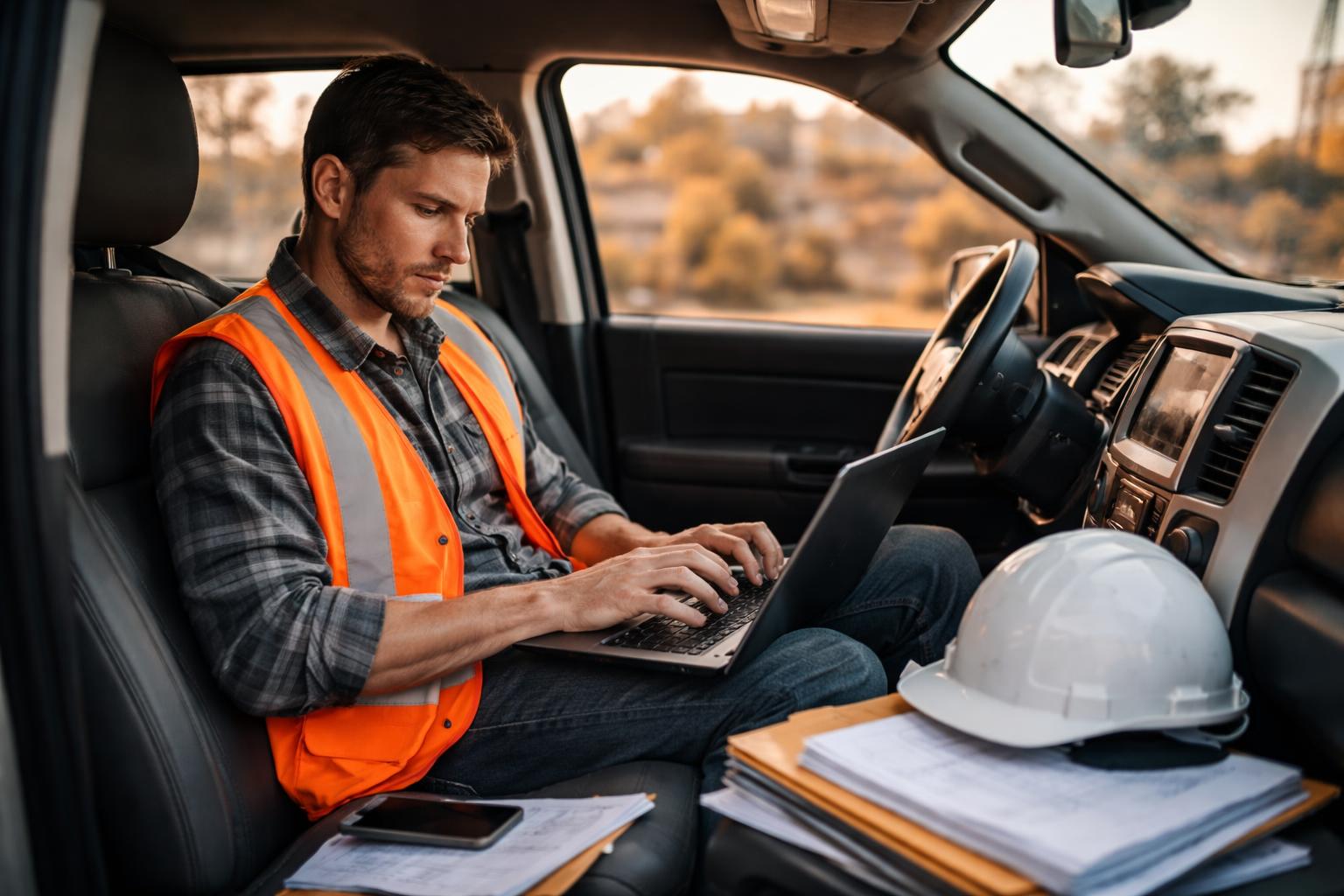
- Returning to the office to write reports
Only a small percentage of that day is actually spent providing expert safety guidance.
As clients expand into multiple locations, this model becomes increasingly difficult to sustain. More travel means:
- Higher operating costs
- Less billable consulting time
- Slower response to urgent issues
- Delayed documentation
Remote visual assistance helps solve this challenge by bringing the expert directly into the field without requiring every inspection to begin with a windshield.
Remote Visual Assistance vs. Video Calls
Many people assume remote visual assistance is simply another video meeting.
It isn't.
A phone video call requires one person to hold a camera, making inspections awkward and often preventing workers from safely performing tasks.
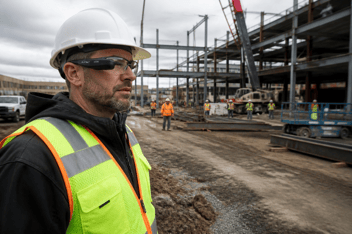
Remote visual assistance uses wearable devices, such as smart glasses, that stream a first-person view directly to a remote expert. This creates a hands-free experience where workers can continue performing inspections while consultants observe in real time.
Instead of saying:
"Can you point your phone over there?"
The consultant simply sees exactly what the worker sees.
Many systems also allow remote experts to:
- Guide inspections step-by-step
- Capture photos during the inspection
- Mark areas of concern
- Record sessions for documentation
- Collaborate instantly on unusual findings
This creates a much more effective inspection workflow than a traditional video call.
How Remote Visual Assistance Works
A typical remote inspection follows a simple process.
Step 1: The Worker Arrives Onsite
A field employee or superintendent wears smart glasses equipped with a high-definition camera.
Step 2: The Remote Expert Connects
The safety consultant joins remotely and immediately views the jobsite from the worker's perspective.
Step 3: The Inspection Begins
The consultant directs the worker through:
- Equipment inspections
- PPE verification
- Fall protection checks
- Hazard identification
- Job Hazard Analysis walkthroughs
- Corrective actions
Step 4: Documentation Is Captured
Photos, observations, and inspection data can be recorded throughout the session, reducing administrative work later.
Rather than relying solely on handwritten notes or memory, the consultant has objective visual documentation from the inspection itself.
Why Safety Consultants Are Adopting Remote Visual Assistance

Remote visual assistance isn't about eliminating travel altogether.
It's about making travel more intentional.
Instead of driving four hours for a routine follow-up inspection, consultants can reserve travel for:
- Major incidents
- Complex investigations
- High-risk activities
- Client meetings
- Regulatory support
Everything else can often be handled remotely with expert oversight.
Benefits include:
Respond Faster
Urgent questions can be addressed immediately instead of scheduling a site visit days later.
Support More Clients
Consultants can oversee multiple jobsites in a single day.
Reduce Travel Costs
Less windshield time means lower fuel expenses and more billable consulting hours.
Improve Documentation
Visual records strengthen inspection reports while providing better context than written notes alone.
Deliver Better Client Service
Clients gain faster access to experienced safety professionals whenever guidance is needed.
Where Wearable Technology Fits In
Wearable technology is what makes remote visual assistance practical.
Instead of relying on handheld devices, workers wear lightweight smart glasses that allow them to continue performing inspections naturally while streaming live video to a remote consultant.
With SafetyVue, wearable technology supports:
- Hands-free site documentation
- AI-assisted hazard identification
- Real-time collaboration between field workers and safety experts
- Collection of objective field data for more accurate reporting
- Faster inspection workflows with reduced administrative burden
Most importantly, wearable technology supports the consultant's expertise rather than replacing it. SafetyVue automates the collection of objective field data while keeping the safety professional responsible for interpretation, decision-making, and recommendations.
The Future of Construction Safety Oversight

As construction projects continue expanding across multiple locations, safety consultants need ways to extend their expertise without spending more time on the road.
Remote visual assistance makes that possible.
Instead of replacing experienced consultants, it allows them to be present in more places, respond faster, and deliver higher-value guidance while reducing unnecessary travel.
For firms looking to grow without hiring additional consultants, remote visual assistance provides a practical path forward.
It's not about fewer inspections.
It's about smarter inspections.
The Future of Safety Consulting Starts Here
The most successful safety consultants aren't replacing field work—they're making every site visit more intentional.
SafetyVue helps you combine remote visual assistance, wearable technology, and objective field data so you can support more clients, respond faster, and spend less time on the road.
See how it works. Schedule a SafetyVue demo today.