Introduction: The Cost No One Tracks
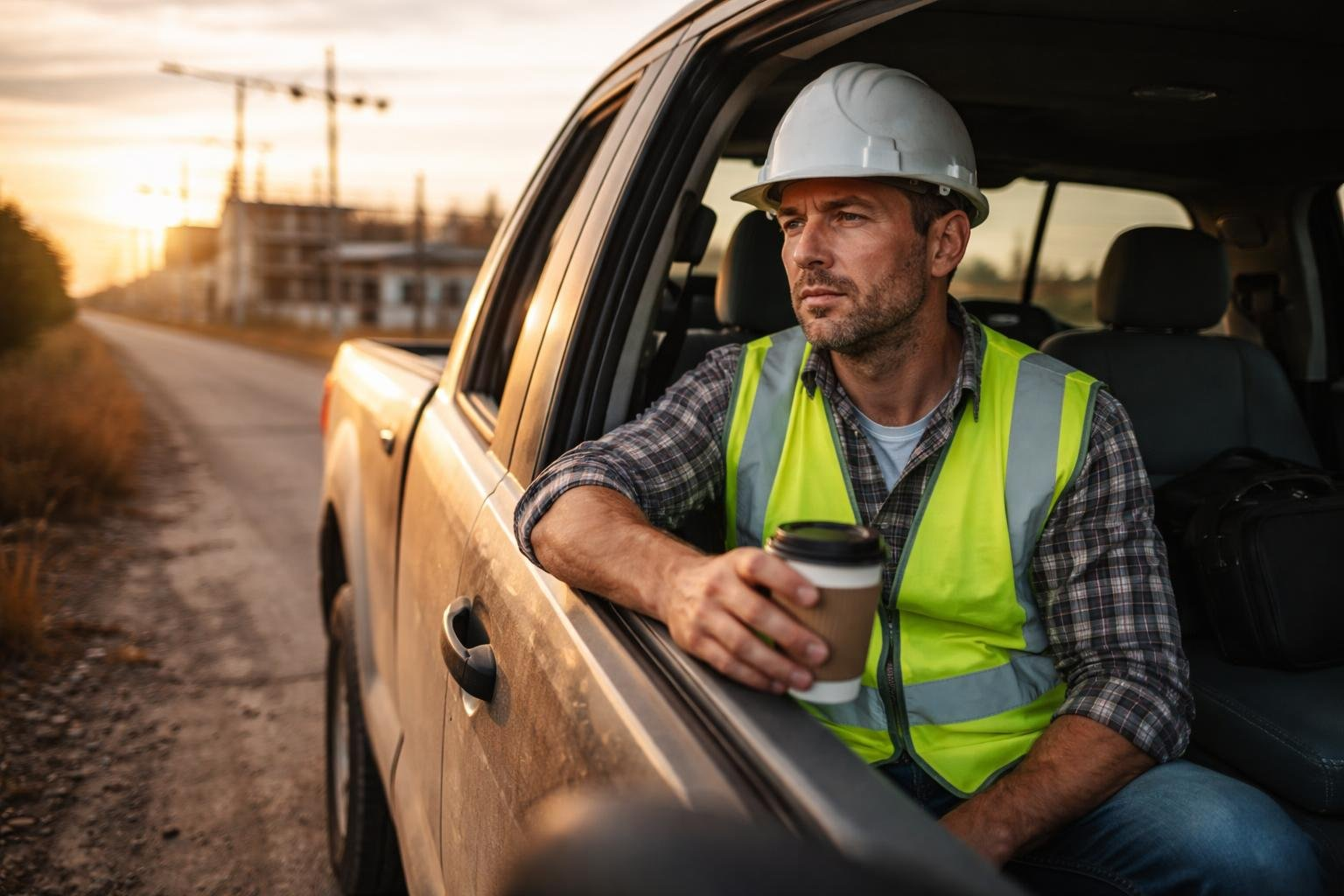
A safety consultant leaves home at 5:30 AM to make a 3-hour drive to a job site. They spend 45 minutes walking the site, jotting notes, snapping photos, then turn around and drive another 3 hours back.
That’s a full day of work.
But only 45 minutes were billable.
This is the reality of “windshield time”, the hours spent driving between sites that quietly drain productivity, inflate costs, and cap growth. Most firms accept it as part of the job. Few actually measure it.
And almost none realize how expensive it is.
If you want to reduce travel time for safety consultants, you have to stop treating travel as unavoidable and start treating it as a solvable problem.
Windshield Time Is a Hidden Profit Killer
“Windshield time” refers to the hours safety professionals spend traveling instead of performing inspections, audits, or analysis.
On paper, a consultant might work 8 to 10 hours a day. In reality, that day often looks like this:
- 3–5 hours driving
- 2–4 hours on-site
- 1–2 hours of reporting and admin
That means nearly half the day is non-billable.
The impact is bigger than it looks. Travel doesn’t just eat time. It limits how many clients a consultant can serve, how quickly reports are delivered, and how much revenue each employee can generate.
This is why most firms struggle to push utilization beyond 60–65 percent. The constraint isn’t talent. It’s geography.
Breaking Down the $100,000 Problem
Let’s quantify it.
Assume:
- Average fully loaded cost of a safety consultant: $120,000 per year
- 35 percent of time spent traveling
That means:
- ~$42,000 per consultant per year is spent on non-billable travel time
Now scale that across a small team:
- 5 consultants = $210,000 in lost productivity
- 10 consultants = $420,000
And that’s before factoring in:
- Fuel and vehicle costs
- Lodging for distant sites
- Wear and tear on vehicles
- Burnout from long travel days
This is not a scheduling issue. It’s a structural inefficiency.
Travel is one of the largest, least visible profit leaks in safety operations.
Why the Industry Is Stuck in a Travel-Heavy Model
If the cost is so obvious, why hasn’t it changed?
Because traditional safety workflows depend on physical presence.
Inspections require someone on-site. Documentation is manual. Data lives in notebooks, spreadsheets, or disconnected systems. If you want to understand what’s happening, you have to go see it yourself.
This creates a reactive model where:
- Data is captured slowly
- Reports are created after the fact
- Insights are limited to what one person observed
In other words, safety data is stuck in the field.
And as SafetyVue’s core strategy makes clear, you cannot prevent tomorrow’s incidents using yesterday’s disconnected, manual processes
The Shift: From Site Visits to Remote Intelligence
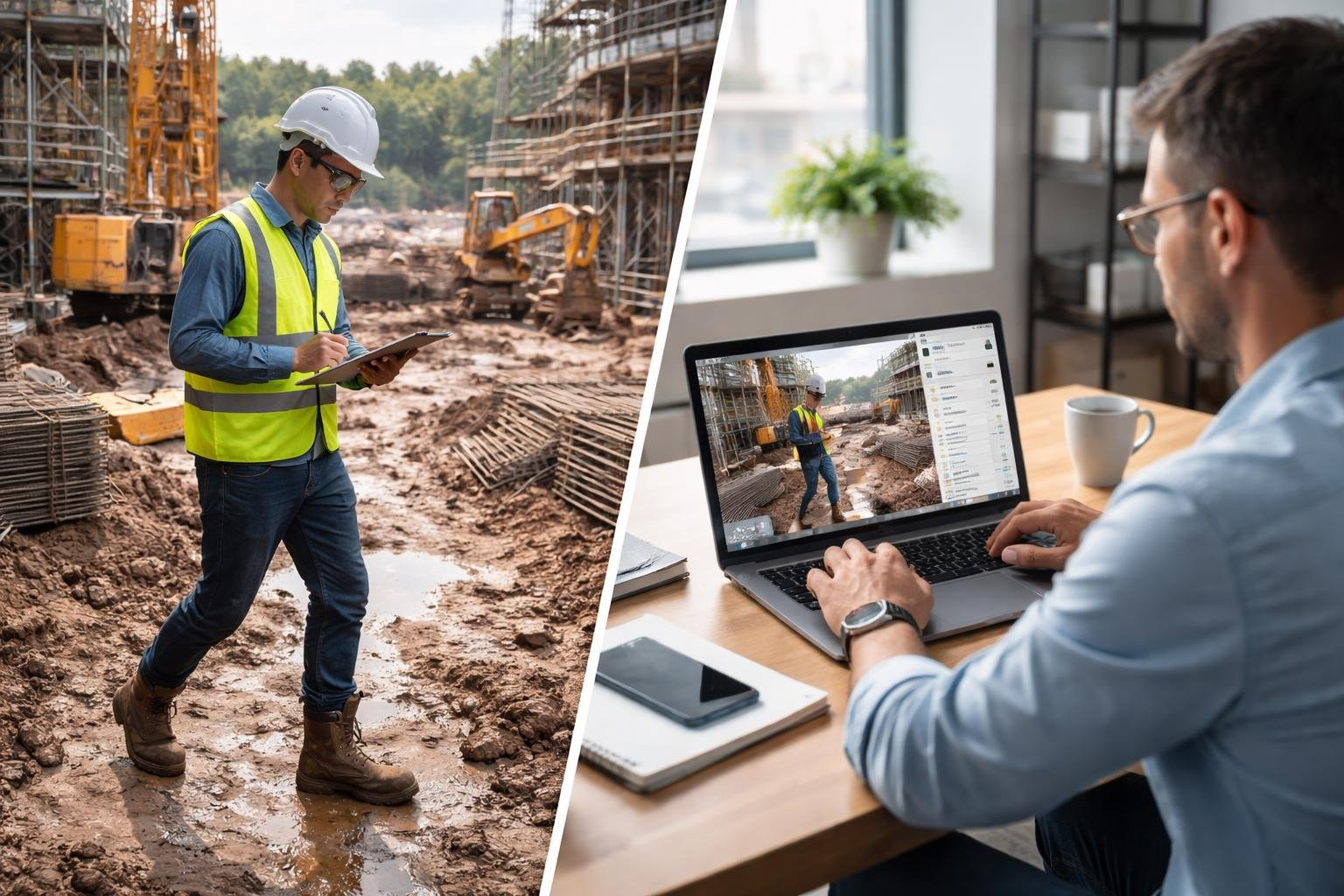
The model is starting to change.
Instead of sending a consultant to every site, leading firms are rethinking how data is captured and analyzed.
The new approach looks like this:
- Site teams capture video, images, or AR-assisted walkthroughs
- Data is transmitted instantly to a centralized platform
- AI generates a structured first draft report
- Consultants review, validate, and provide expert insight remotely
This flips the role of the safety consultant.
They are no longer spending most of their time driving and documenting. They are spending their time analyzing risk, identifying patterns, and making decisions.
Technology like AR-enabled remote assistance even allows experts to guide on-site personnel in real time without being physically present
This is how you begin to reduce travel time for safety consultants without sacrificing quality.
How SafetyVue Eliminates Unnecessary Site Visits
SafetyVue is built around a simple idea: bring the site to the expert.
Instead of relying on in-person inspections for every task, SafetyVue enables:
- Remote inspections using AR and real-time video
- AI-generated reports created in minutes, not hours
- Connected data across assets, personnel, and incidents
At the center of this is a system designed to turn raw field data into usable intelligence. Every inspection, image, and interaction feeds a broader data ecosystem that becomes smarter over time
The result:
- Fewer unnecessary trips
- Faster report turnaround
- More consistent, objective documentation
Most importantly, consultants can reclaim 20 to 30+ hours per month that would otherwise be spent on the road.
The ROI of Reducing Travel Time
When you reduce travel, the impact is immediate and measurable.
Utilization increases
- From ~60 percent to 75 percent or higher
Revenue capacity grows
- $40K to $60K more productive output per consultant annually
Operations become more efficient
- More inspections completed per week
- Faster turnaround for clients
Teams become more sustainable
- Less burnout from long travel days
- Better retention of experienced consultants
This is not about working harder. It’s about removing the constraint that prevents your team from doing high-value work.
When You Still Need to Be On-Site
This is not about eliminating travel entirely.
There are still situations where being on-site matters:
- Complex incident investigations
- High-risk or high-liability environments
- Initial site assessments
But many routine activities do not require physical presence:
- Follow-up inspections
- Compliance checks
- Documentation updates
- Standard audits
The goal is not zero travel.
The goal is intentional travel.
Conclusion: Stop Paying for the Windshield 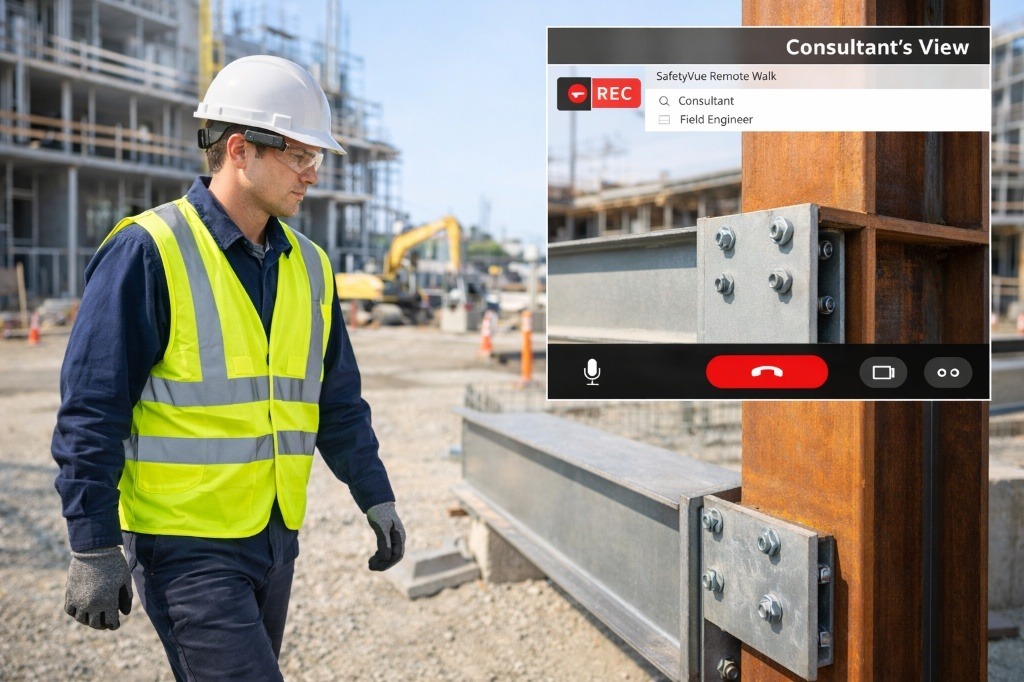
Most firms are not underutilizing their consultants because of poor performance.
They are underutilizing them because too much of their day is spent behind a windshield.
When you reduce travel time for safety consultants, you unlock capacity that already exists inside your team. You increase revenue without hiring. You improve speed without sacrificing quality.
And you move from a model built on physical presence to one built on intelligence.
That’s where the industry is heading.
Stop Losing Time to Disconnected Safety Operations
Download the Command Center Playbook to see how leading firms are reducing travel, improving visibility, and turning safety data into operational intelligence.