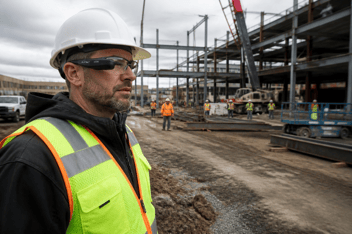
When a workplace incident occurs, most companies focus on what happened.
Attorneys focus on something different.
They focus on what can be proven.
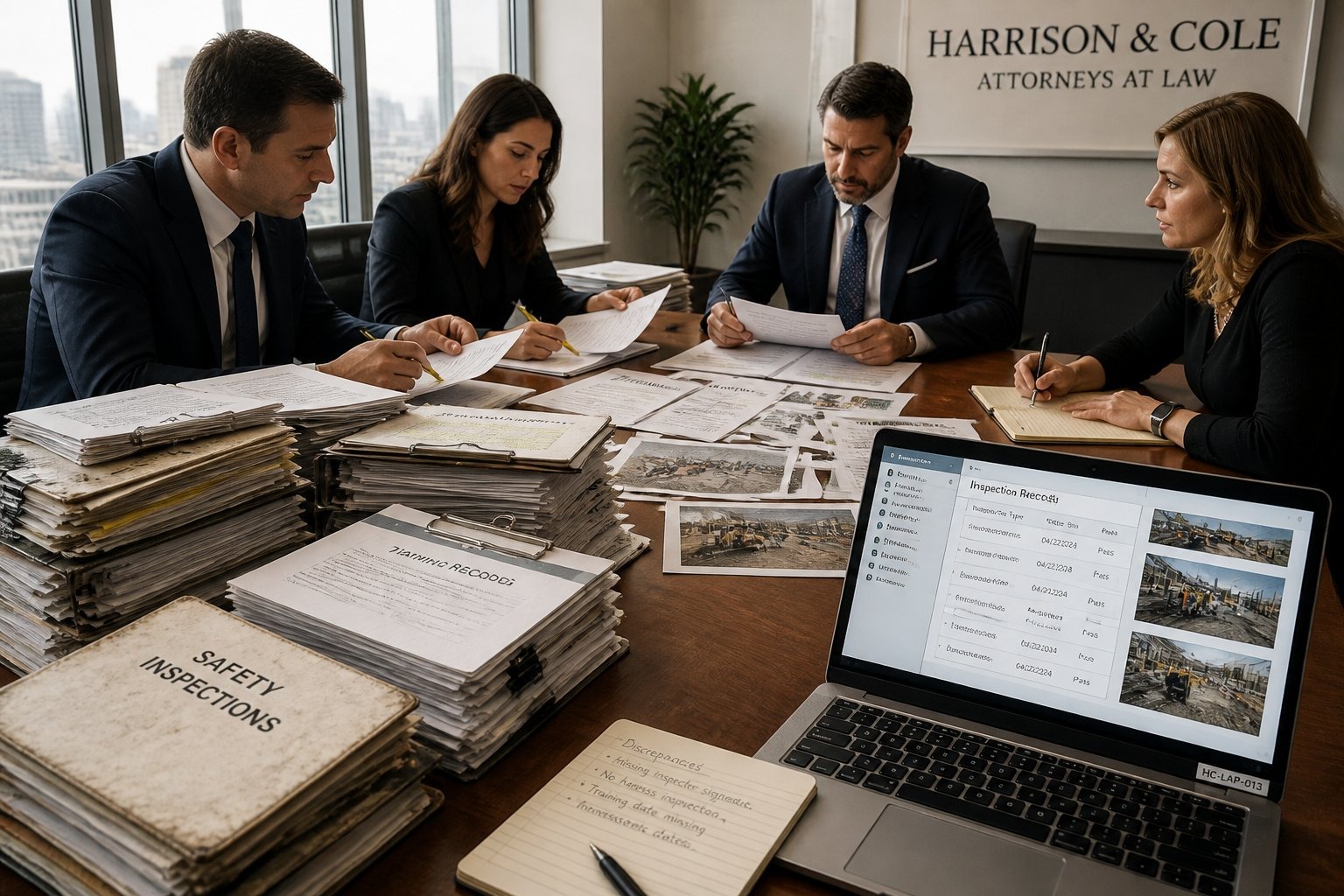
Whether it's a serious injury, property damage claim, OSHA investigation, or third-party lawsuit, the legal battle often starts long before anyone enters a courtroom. It begins during the discovery process, where every safety report, inspection record, training log, and corrective action document is scrutinized for weaknesses.
For safety consultants, contractors, and employers, poor documentation can become a costly liability. Missing information, subjective observations, and inconsistent records can undermine even the strongest safety programs.
The solution is creating defensible safety documentation that provides objective evidence, clear accountability, and verifiable proof of due diligence.
The Discovery Process: Where Safety Records Get Put on Trial
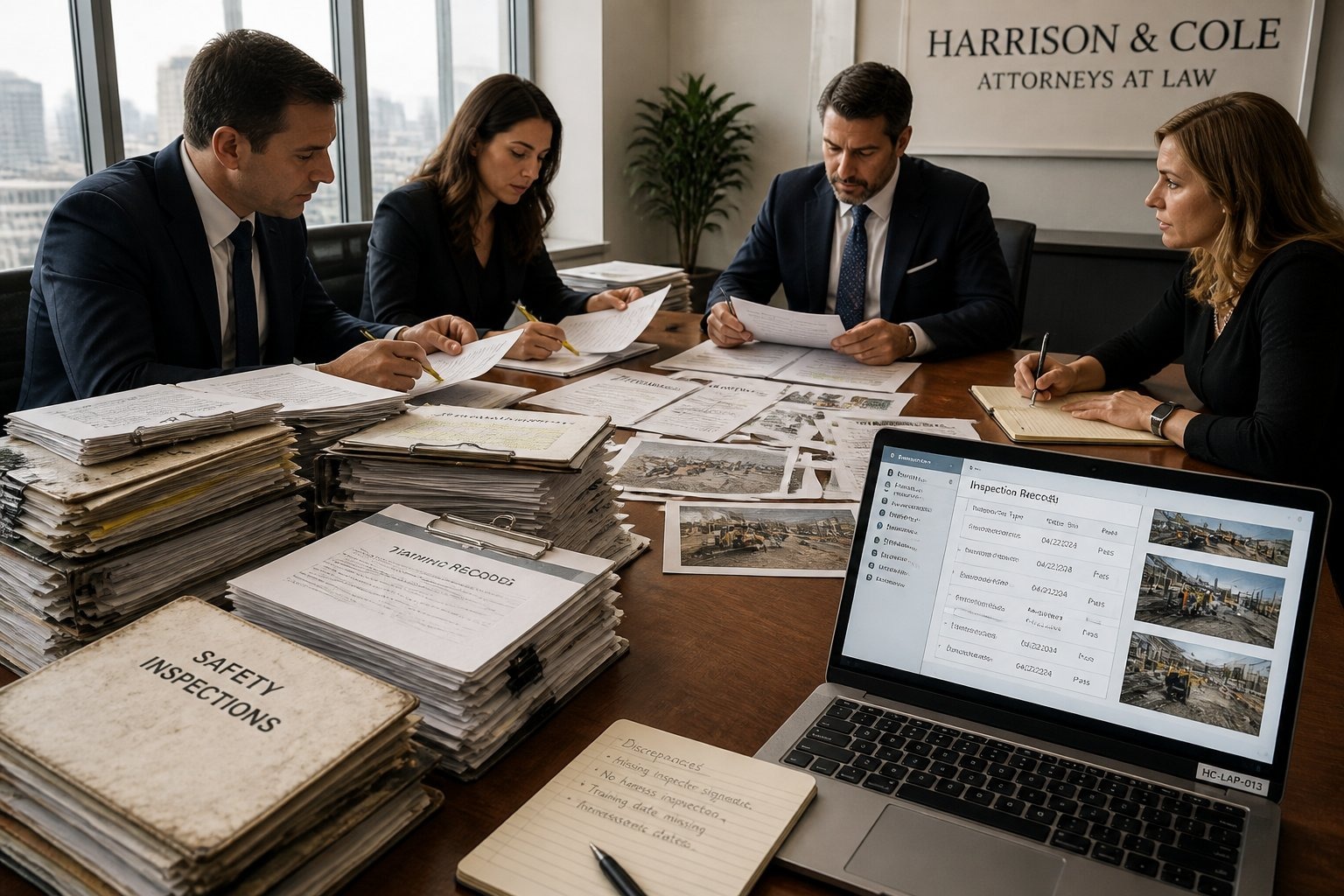
Many organizations assume their safety documentation only matters during an audit. In reality, documentation often becomes the centerpiece of litigation.
During discovery, attorneys request records such as:
- Jobsite inspection reports
- Hazard assessments
- Training records
- Corrective action documentation
- Incident investigations
- Equipment inspection logs
- Communication records
- Employee certifications
The goal isn't simply to review what happened. The goal is to identify gaps.
Opposing counsel will look for:
- Missing reports
- Incomplete inspections
- Unsigned forms
- Contradictory records
- Documentation created after an incident
- Lack of supporting evidence
Every inconsistency creates an opportunity to challenge the credibility of your safety program.
This is why defensible safety documentation has become increasingly important in today's legal environment.
Why Traditional Safety Documentation Fails in Court
Many safety reports are built around subjective observations.
Statements such as:
- "The area appeared safe."
- "Employees were following procedures."
- "Hazards were addressed."
may seem sufficient at the time they are written.
The problem is that subjective observations are difficult to verify.
When an attorney asks:
"How do you know the area was safe?"
or
"What evidence supports that conclusion?"
many organizations have no answer beyond a written statement.
Without supporting evidence, documentation becomes vulnerable to challenge.
The legal reality is simple: if it isn't documented, it often didn't happen.
And if the documentation cannot be verified, it may not be trusted.
That's why defensible safety documentation requires more than forms and checklists. It requires objective proof.
The Hidden Cost of Weak Documentation
Poor documentation doesn't just increase legal risk.
It also drives up operational costs.
For safety consultants, weak records can lead to Errors & Omissions (E&O) claims. Even if a consultant ultimately prevails, legal defense expenses can be substantial.
For contractors and employers, inadequate documentation can contribute to:
- Increased insurance premiums
- Higher claim settlements
- OSHA penalties
- Reputational damage
- Lost contract opportunities
Insurance carriers are paying closer attention than ever before to documentation practices.
In a world of nuclear verdicts and rising litigation costs, organizations that cannot produce defensible safety documentation are increasingly viewed as higher-risk operations.
What Makes Safety Documentation Truly Defensible?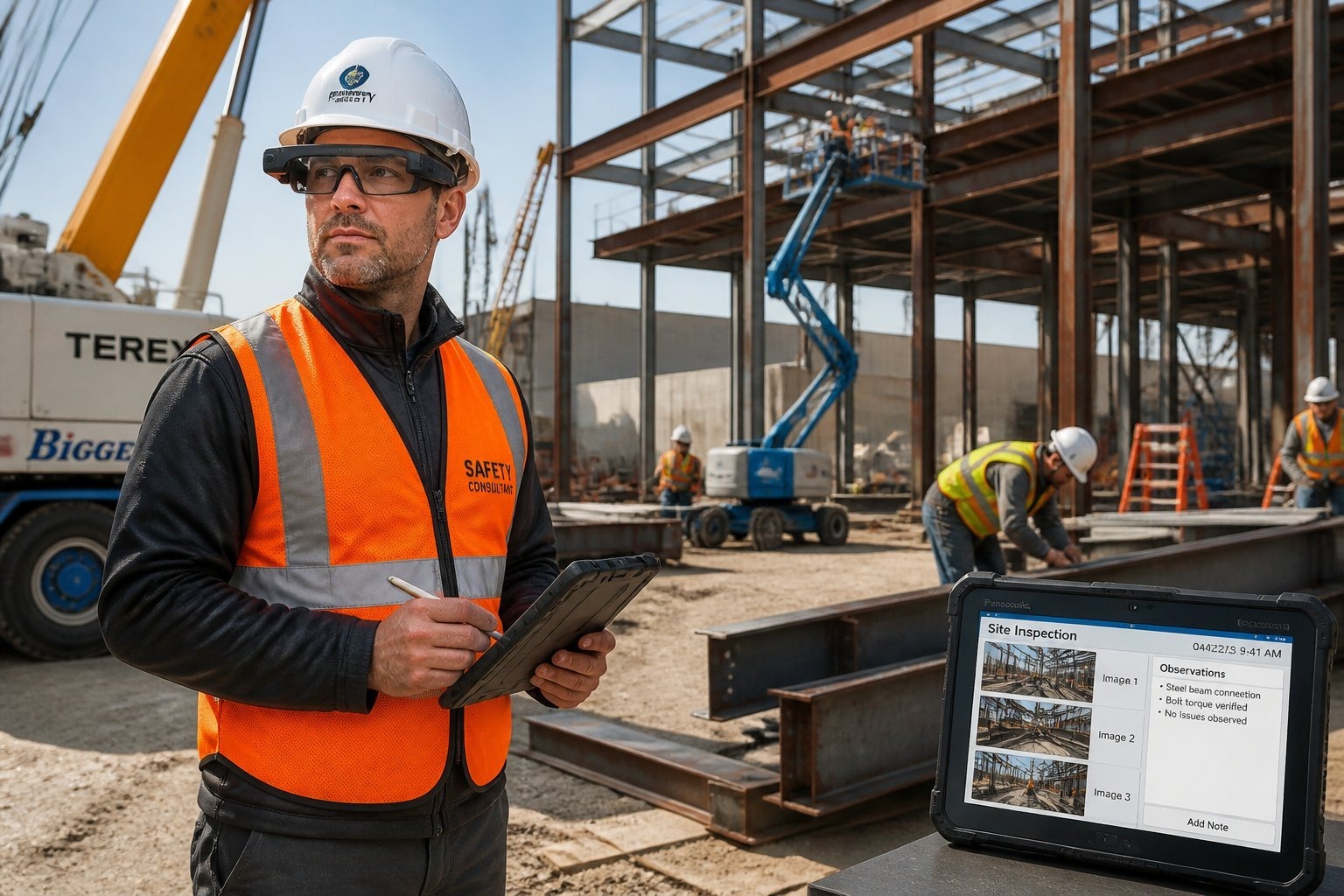
Not all documentation is created equal.
Documentation that survives legal scrutiny typically shares four critical characteristics.
1. Verified Field Data
The strongest records are created where the work occurs.
Instead of relying on memory or notes completed hours later, inspections should be documented in real time while conditions are being observed.
Verified field data creates credibility because it reflects actual conditions at the moment they existed.
2. Time-Stamped Records
Timing matters.
One of the first questions attorneys ask is when a report was created.
Accurate timestamps establish:
- Inspection completion times
- Hazard identification timelines
- Corrective action dates
- Follow-up activities
Without timestamps, proving due diligence becomes significantly more difficult.
3. Visual Evidence
Photos and videos add context that written observations cannot.
Visual evidence helps demonstrate:
- Site conditions
- Hazard severity
- Corrective actions taken
- Compliance efforts
When combined with timestamps, photos become powerful supporting evidence.
4. Immutable Audit Trails
Perhaps most importantly, records must demonstrate integrity.
Organizations should be able to show:
- Who created the record
- When it was created
- Whether it was modified
- When changes occurred
This transparency helps establish trust and strengthens defensible safety documentation during audits, investigations, and litigation.
Why Cryptographic Audit Trails Matter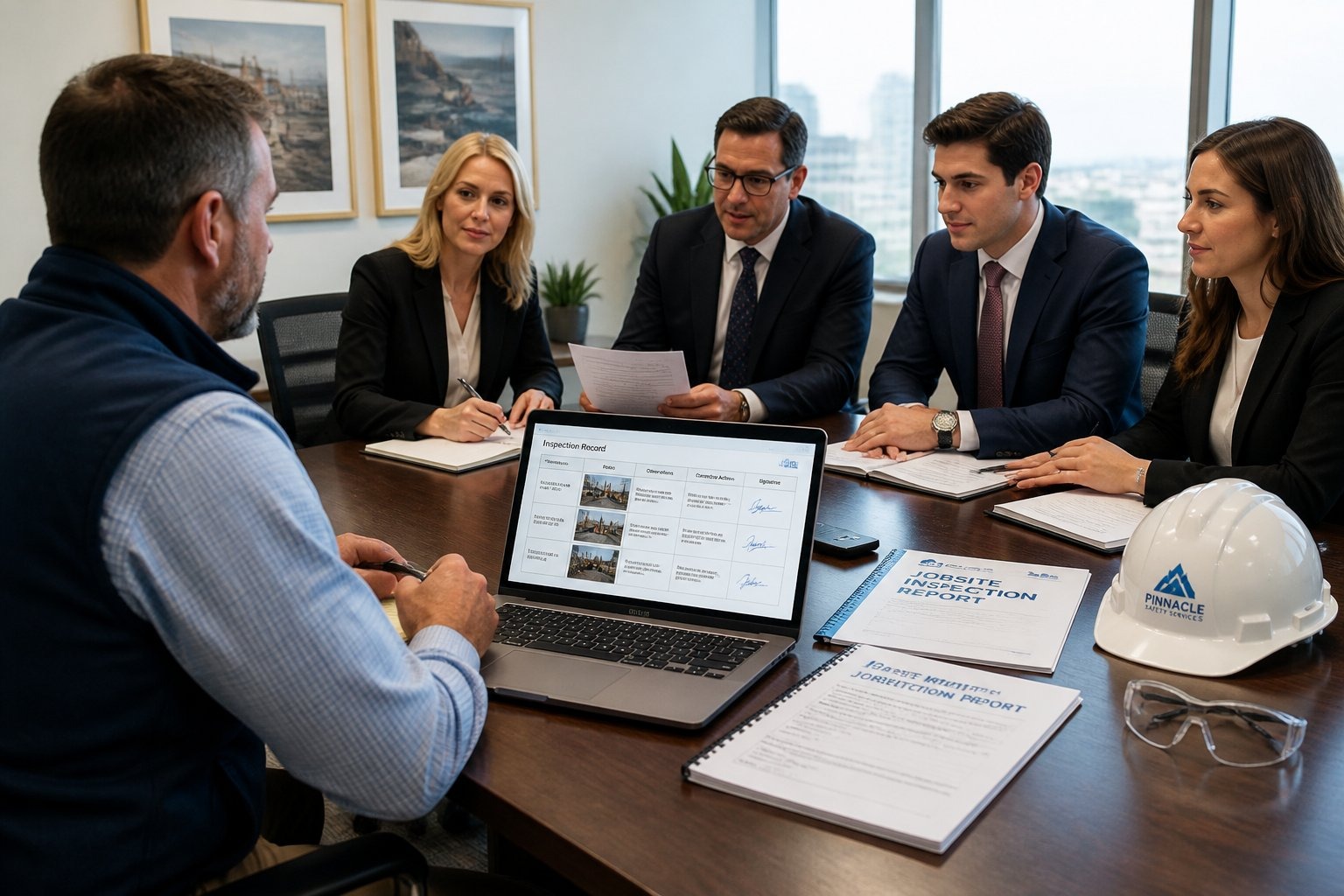
One of the biggest challenges in legal proceedings is proving that documentation has not been altered.
Traditional paper records and editable digital files can create uncertainty.
Cryptographic audit trails solve this problem.
Think of a cryptographic audit trail as a digital fingerprint attached to every record.
Once a document is created, its integrity can be verified. Any modification creates a detectable change.
This provides organizations with:
- Proof of authenticity
- Verification of record integrity
- Transparent revision history
- Stronger chain-of-custody documentation
In legal proceedings, this can significantly improve the credibility of your safety records.
Rather than relying on testimony alone, organizations can present verifiable evidence that their documentation has remained intact.
That level of transparency is what separates ordinary records from defensible safety documentation.
How SafetyVue Helps Create Defensible Safety Documentation
Most safety programs struggle because critical information is trapped in disconnected systems, paper files, spreadsheets, and subjective reports.
SafetyVue was built to solve that problem.
SafetyVue captures objective field data directly from the jobsite, creating what we call the "ground truth" of workplace safety. By collecting verified observations, timestamps, and supporting evidence at the source, organizations gain a more accurate picture of operational risk.
Through SafetyVue's platform, organizations can create:
- Time-stamped inspection records
- Verified field observations
- Photo-supported documentation
- Connected compliance histories
- Immutable audit trails
Every record is designed to provide transparency, accountability, and traceability.
Rather than relying on subjective recollections after an incident, organizations have access to objective evidence captured when the work occurred.
This creates defensible safety documentation capable of supporting compliance efforts, insurance reviews, investigations, and legal defense.
From Reactive Reporting to Legal Readiness
The era of clipboards, paper binders, and disconnected spreadsheets is coming to an end.
Regulators, insurers, clients, and attorneys increasingly expect organizations to provide complete, verifiable records that demonstrate due diligence.
The companies best positioned for the future will be those that move beyond documenting the past and begin creating objective, trustworthy records that stand up to scrutiny.
When litigation occurs, the question won't be whether you have documentation.
The question will be whether your documentation can withstand a challenge.
Organizations that invest in defensible safety documentation gain more than compliance. They gain credibility, reduce liability exposure, and strengthen their ability to prove that safety processes were followed.
Conclusion
Every safety record tells a story.
The question is whether that story can be proven.
During discovery, attorneys aren't looking for perfect safety programs. They're looking for weak documentation, missing evidence, and opportunities to challenge credibility.
That's why defensible safety documentation has become one of the most important risk management tools available to modern organizations.
By combining verified field data, timestamps, visual evidence, and cryptographic audit trails, companies can create records that withstand audits, investigations, and courtroom scrutiny.
Because when safety documentation is challenged, objective evidence wins.
Download the Consultant Command Center Playbook
Still relying on paper reports and disconnected systems? Download the Consultant Command Center Playbook and learn how leading safety teams are building defensible safety documentation with objective field data, verified inspections, and audit-ready records.